
- R&D
BioMar strengthens R&D at ATC Hirtshals to support new species and global growth
BioMar is expanding its research and development activities at its Aquaculture Technology Centre (ATC) in Hirtshals, Denmark, to support the…


Targeted nutrition for better performance
Feed is the largest cost in aquaculture production, making efficient nutrient utilisation essential. Yet not all the nutrients consumed by fish and shrimp contribute to growth.
BioRetain improves how nutrients are utilised and retained, supporting greater protein accretion rather than energy use or fat storage. This creates opportunities to improve biological performance without increasing protein and energy levels in the feed, while allowing greater flexibility in raw material selection.

Not all nutrients that are digested and absorbed contribute to growth.
BioRetain applies a deeper understanding of amino acids, energy metabolism and nutrient interactions to support protein synthesis and improve the efficiency with which nutrients are retained for growth.
Every species has its own nutritional requirements, which change throughout its life cycle and according to farming conditions. BioRetain adapts to these differences, providing balanced nutrition suited to the specific needs of fish and shrimp across different production systems, while maintaining a focus on efficient nutrient utilisation and biological performance.
The optimal feed solution depends on the priorities of each farming operation.
BioRetain offers the flexibility to support different production objectives, whether the focus is on maximising growth and harvest yield or maintaining biological performance with more cost-efficient feed formulations.
BioRetain builds on almost 30 years of advances in feed formulation, from the Performance Concept and P3 to a more comprehensive understanding of nutrient utilisation and retention.
This evolution brings together nutritional efficiency, biological performance and greater flexibility in raw material selection, supporting the continued development of high-performing aquafeeds.
BioMar is expanding its research and development activities at its Aquaculture Technology Centre (ATC) in Hirtshals, Denmark, to support the…

Bacterial infections caused by Photobacterium damselae subsp. piscicida (PDP) continue to…
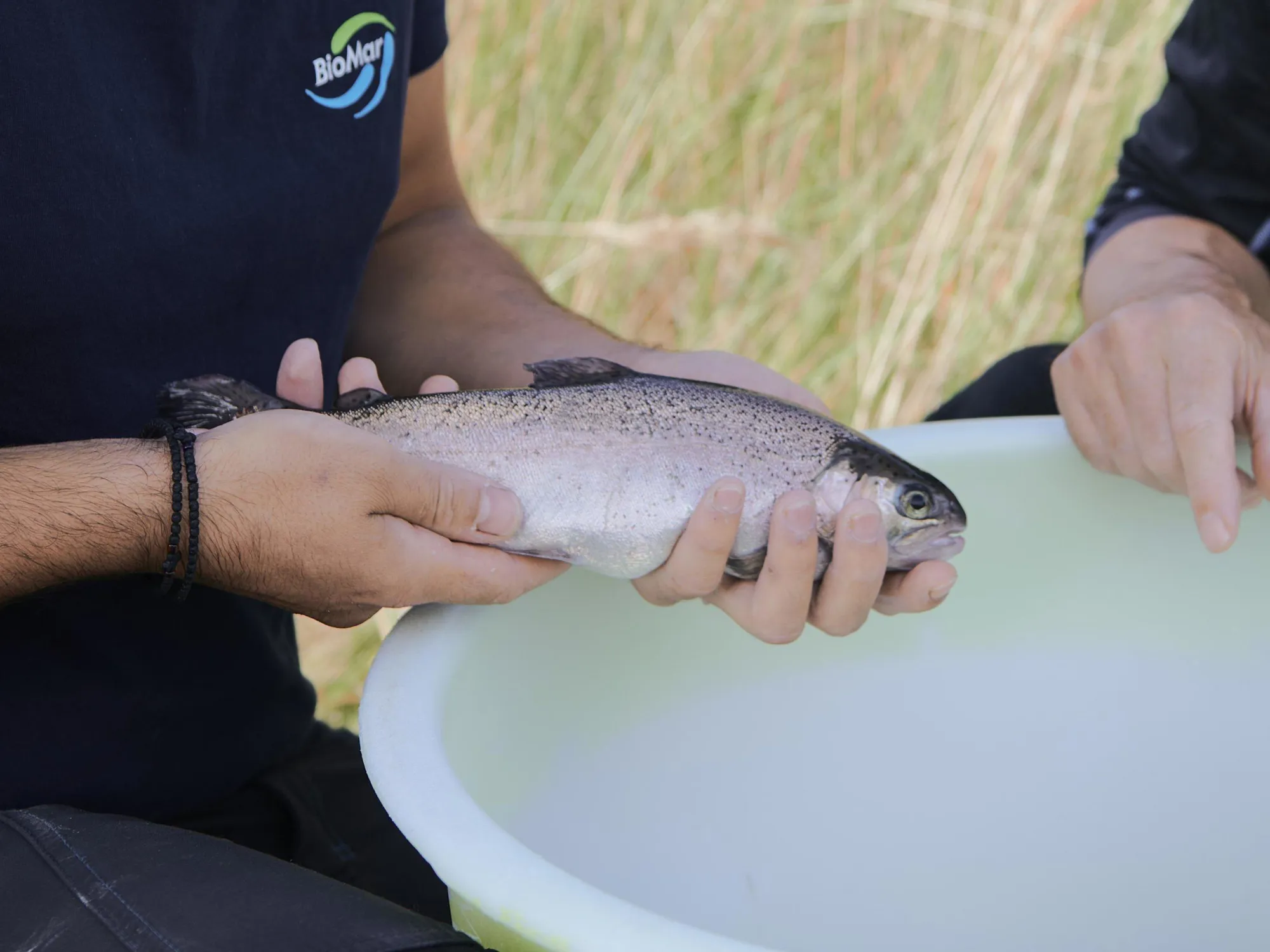
Efficient nutrient transfer from feed to fillet remains a key goal in sustainable aquaculture, particularly for micronutrients like vitamin D3 that…

Mechanical delousing and other handling procedures are known to trigger acute stress in Atlantic salmon (Salmo salar), leading to reduced appetite,…

Fish protein hydrolysates (FPH) are known to improve nutrient availability and immune function in early-stage fish. Their high content and mix of…

Farmed salmonids are an important dietary source of vitamin D for consumers, yet their vitamin D content varies significantly depending on feed…

BioMar has significantly increased the levels of vitamin D3 across all salmon diets. Research findings point to enhanced fish health benefits while…

BioMar has signed an agreement to acquire full ownership of LetSea, Norway’s leading experimental and research centre for aquaculture by taking over…