
BioMar completes its ASC certification pipeline with BioMar Greece
BioMar Greece has achieved ASC Feed Certification, completing BioMar’s ASC certification pipeline across its global production network. With this…

BioMar announces the new production line in Brande, Denmark, is now fully operational. The line is dedicated to RAS and fry aquaculture feed production and is the result of a DKK 100 million investment that has enabled BioMar to increase the annual capacity of the Danish facility by 25%.

BioMar’s Danish feed production facility is situated in the heart of the Silicon Valley for RAS in the Jutland region of Denmark. Jutland is home to leading RAS companies from technology providers to fish producers who have been supplying the industry for over 30 years. Hence, BioMar has a full focus on feeds for land-based farming and accelerated efforts in the area with a dedicated taskforce and continuously strengthens the team with more RAS experts.
“Being situated in an area with a long history of RAS research and development has enabled us to be first movers in RAS feeds and will continue to be crucially important in the innovation development of feeds for land-based farming. There is good recognition for our RAS feeds globally and our ambitions for this growing segment are high”, stated Carlos Diaz, CEO BioMar Group.
The Danish production facility has experienced organic growth in recent years hence a decision was made two years ago to invest and add capacity. The facility has experience in specially designed feeds for more than 40 aquaculture species, including trout, salmon and yellowtail kingfish. The investment project has been able to increase the overall capacity by 25% up to 160,000 tons of feed produced annually with improved flexibility, quality and production performance.
Anders Brandt-Clausen, the Managing Director of BioMar Denmark explains, “installing an extra production line into a facility that is in daily operation was challenging, particularly in the last few months of the process where we all have been working under extraordinary circumstances due to the COVID-19 situation. Thanks to our highly skilled and dedicated people, we have been able to successfully manage the process without compromising the daily operations and scheduled deliverables”.
Aquaculture feeds from the new line have been tested through the last couple of months and has shown impressive results. BioMar’s premium range of fry feeds produced on the new line demonstrate an extraordinary performance on technical quality parameters. Pellets coming out of the new line are now in a much better diameter: length ratio, the inter-size gap has been improved for at smoother transition between pellet sizes. The improved process control technology on the new line will further strengthen BioMar’s ability to focus on more physical quality parameters such as sinking speed and water stability.
“We have just been through the fry feed season and we received very positive feedback from farmers around the world on the quality and performance of the products”, concluded Anders Brandt-Clausen.
BioMar Greece has achieved ASC Feed Certification, completing BioMar’s ASC certification pipeline across its global production network. With this…

The joint project will explore how regenerative agriculture can strengthen the resilience and environmental performance of agricultural raw materials…

BioMar Viet Uc has achieved ASC Feed Certification, becoming the first ASC-certified production facility within BioMar's operations in Asia. The…
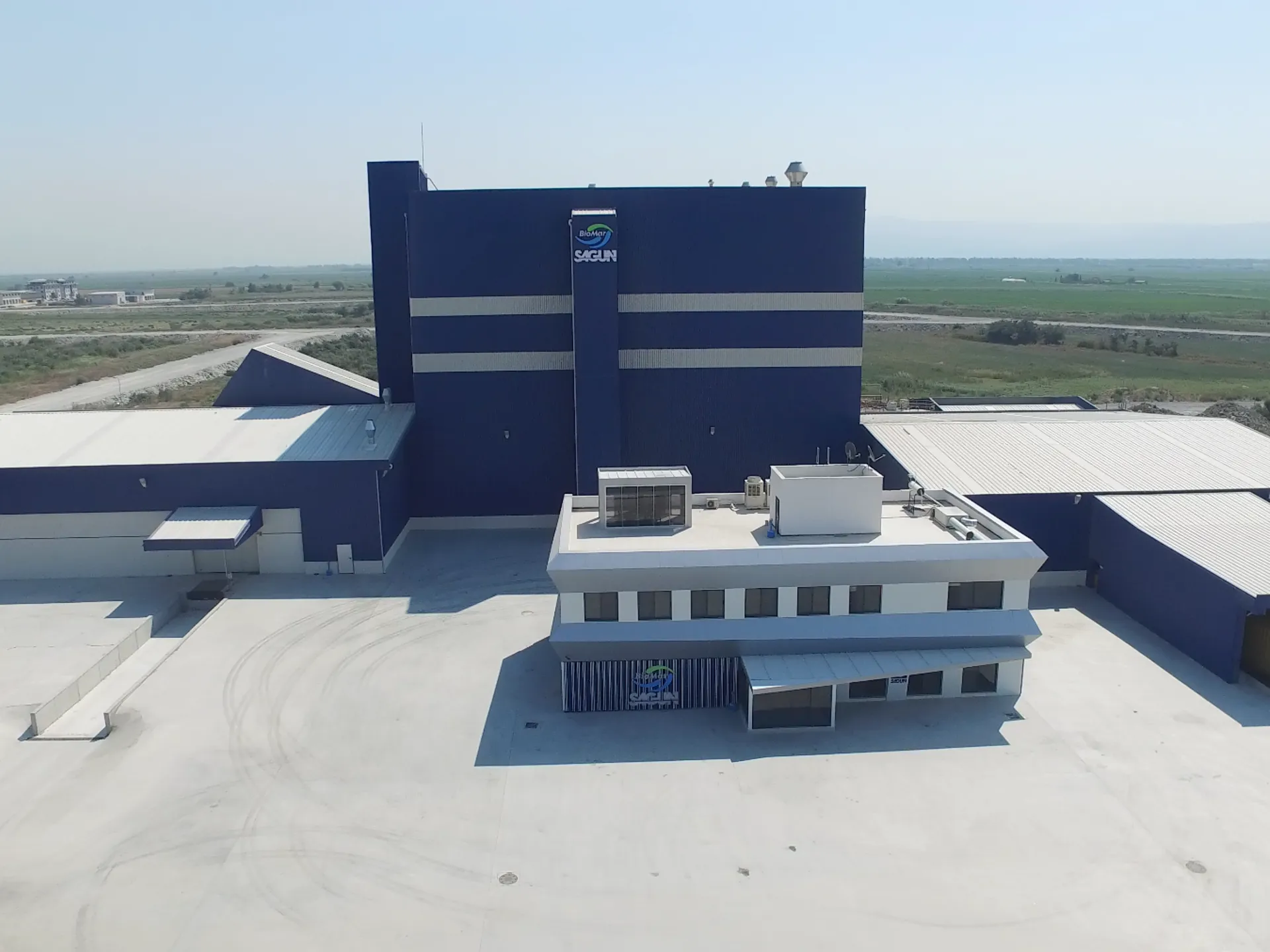
BioMar Sagun has achieved ASC Feed Certification, strengthening BioMar's ability to supply ASC-conforming feed solutions across the country and other…

Last week, BioMar officially began trading on Nasdaq Copenhagen, marking a significant milestone in the company's history and welcoming more than…
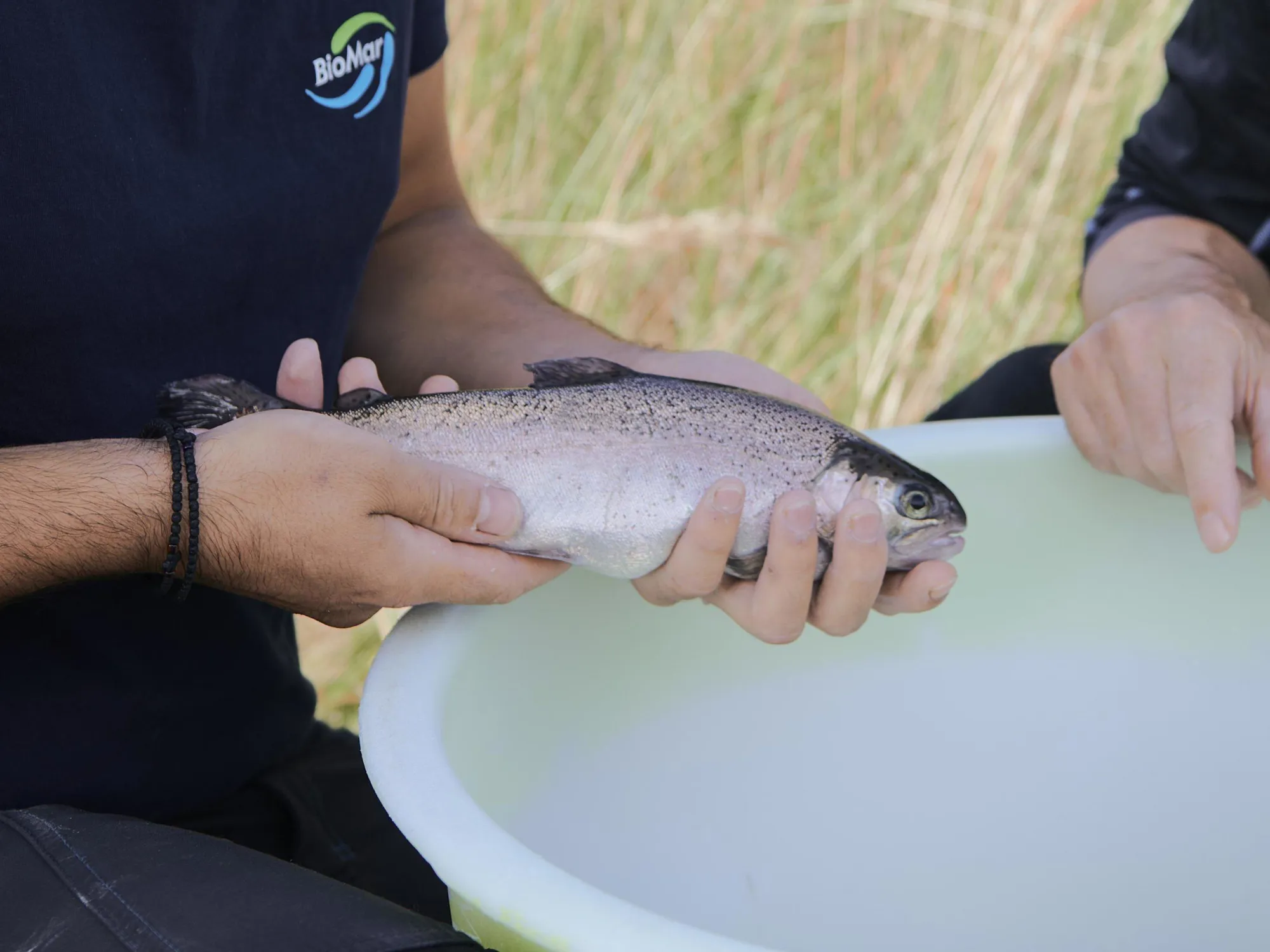
This study, led by Anne Kristine Hansen, examines how dietary vitamin D level and form affect growth, welfare, and product quality across different…
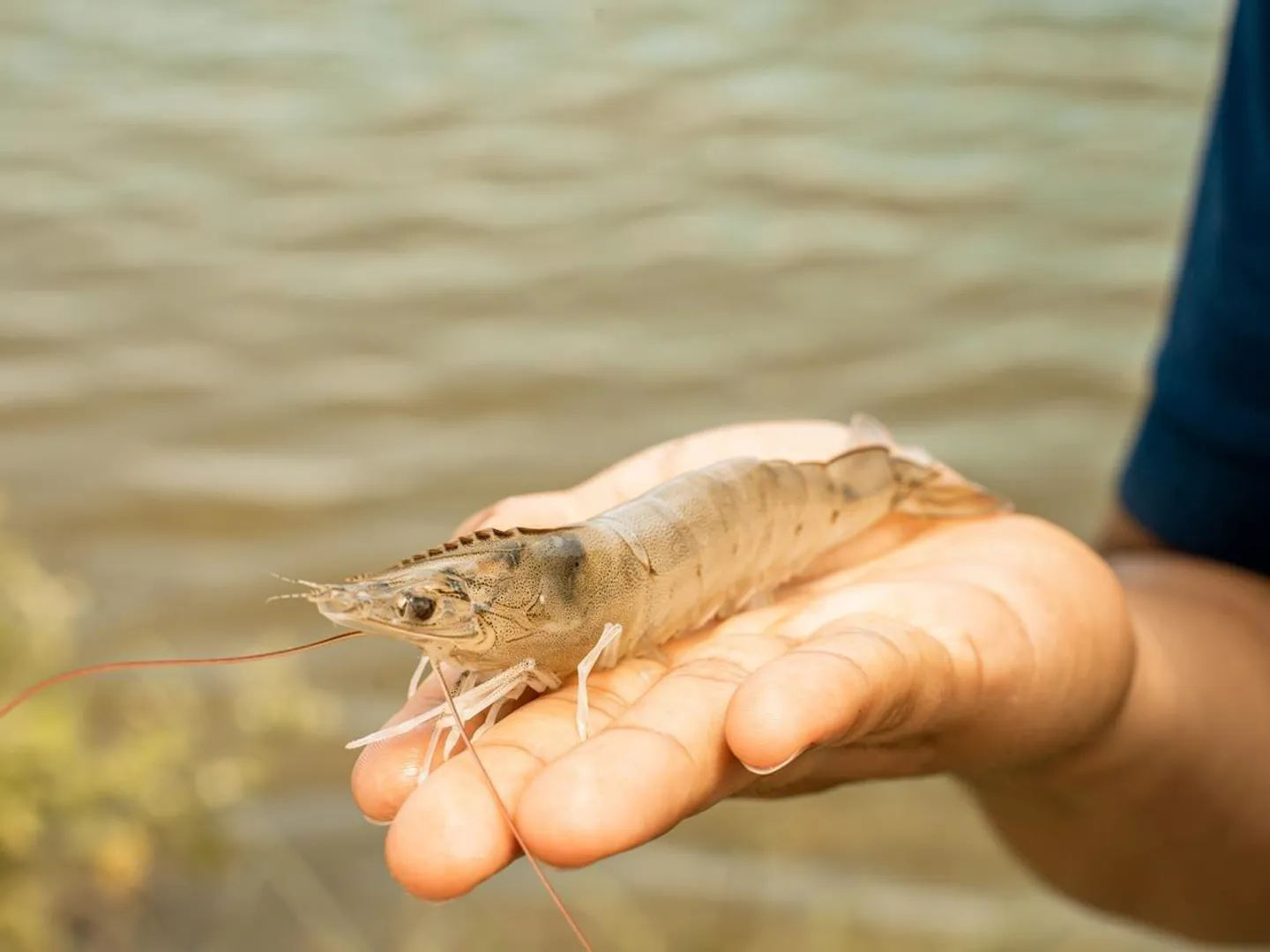
This study, led by Jeleel Agboola and Keke Zheng, investigates how different proportions of digestible protein, lipid, and starch at a constant…

This study, led by Keke Zheng and Anne Kristine Hansen, explores how targeted adjustments in dietary protein, lipid, and omega-3 fatty acids affect…