
BioMar completes its ASC certification pipeline with BioMar Greece
BioMar Greece has achieved ASC Feed Certification, completing BioMar’s ASC certification pipeline across its global production network. With this…


As part of its participation in the Science Based Targets Network (SBTN) Ocean Hub pilot project, Musholm is taking the next step in its nature environmental efforts. Across the value chain, the company is working to deepen its understanding of its impact on and dependence on nature and to translate this knowledge into concrete actions. These efforts focus on reducing pressure on wild fish stocks, restoring marine habitats, and strengthening the protection of threatened, vulnerable, and protected species.
In collaboration with BioMar, Musholm has set a goal to reduce the company’s use of marine raw materials derived from blue whiting by 52.94% by 2029, using 2025 as the baseline year. This reduction is supported by BioMar’s Blue IMPACT feed concept, which was developed to support fish farmers in setting goals for and reducing their climate and environmental impact, including the impact of using marine raw materials. The program makes it possible to continuously monitor and document progress toward Musholm’s goals for targeted sourcing of marine raw materials with full transparency.
By 2031 at the latest, Musholm will reduce the pressure on wild-caught fish stocks by decreasing its reliance on marine raw materials from wild-caught fish. This will be achieved through increased use of circular and alternative raw materials. Progress will be documented through BioMar’s sustainability analyses and the Blue Food Performance FIFO tool.
As part of this effort, Musholm and BioMar will continue to collaborate to strengthen responsible fisheries management and promote improvements in the supply chains for marine raw materials. This is achieved, among other things, through participation in Fishery Improvement Projects (FIPs), which support responsible fisheries management and help improve interactions between ETP species and fishing equipment.
“When Musholm sets ambitious environmental goals, strong partnerships throughout our value chain are essential. We want to take responsibility locally, where we raise our fish, but also in the parts of the world where the ingredients for our feed come from, because our demand also affects nature there,” says Thorbjørn Harkamp, CEO of Musholm A/S.
Musholm also focuses on protecting and restoring marine habitats in the areas where the company operates its fish farms.
Each year through 2030, Musholm will reduce the use of net impregnation at the company’s three aquaculture farms. At the same time, Musholm will contribute to the financing and implementation of the Great Belt Marine Nature Restoration Project, which aims to restore and protect:
- 42 hectares of rock reefs
- 14 hectares of blue mussel reefs
By the end of 2029. These initiatives are part of Musholm’s overall environmental efforts, which are intended to strengthen the company’s work to understand and manage the interaction between its activities and nature in the areas where Musholm operates aquaculture.
Protecting marine life is an important part of Musholm’s environmental efforts. The company will therefore collaborate with BioMar to reduce the risk that endangered, vulnerable, and protected species will be affected by the fisheries that supply marine raw materials for aquaculture feed.
By 2029 at the latest, Musholm and BioMar will work to strengthen traceability, monitoring, and mitigation efforts in selected fisheries in the North Sea and South America that supply marine raw materials for aquaculture feed. The goal is to enhance understanding of biodiversity-related risks and improve their management throughout the supply chain.
BioMar’s Blue IMPACT feed program supports fish farmers who want greater transparency and continuous improvements in the environmental footprint of their feed, through targeted sourcing of raw materials, reduction of the carbon footprint, and increased use of circular and restorative raw materials.
“When we talk about nature, it’s important to look at the entire value chain and not just what happens at the farm itself. Feed plays a crucial role, and through our work with raw materials, traceability, and feed formulation, we can develop solutions that consider the customer’s specific nature and sustainability requirements. At the same time, through Blue IMPACT, we can provide the documentation and insights that make it possible to track progress over time. We are proud to collaborate with Musholm and contribute the knowledge, documentation, and feed solutions that can help turn these ambitions into reality,”
Anders Brandt-Clausen, BioMar A/S.
BioMar Greece has achieved ASC Feed Certification, completing BioMar’s ASC certification pipeline across its global production network. With this…

BioMar Norway enters into a long-term partnership agreement covering the construction and operation of a new feed vesse

Today, BioMar released its first quarterly report as a publicly listed company. Against a backdrop of geopolitical uncertainty and raw material supply…

The joint project will explore how regenerative agriculture can strengthen the resilience and environmental performance of agricultural raw materials…

BioMar Viet Uc has achieved ASC Feed Certification, becoming the first ASC-certified production facility within BioMar's operations in Asia. The…
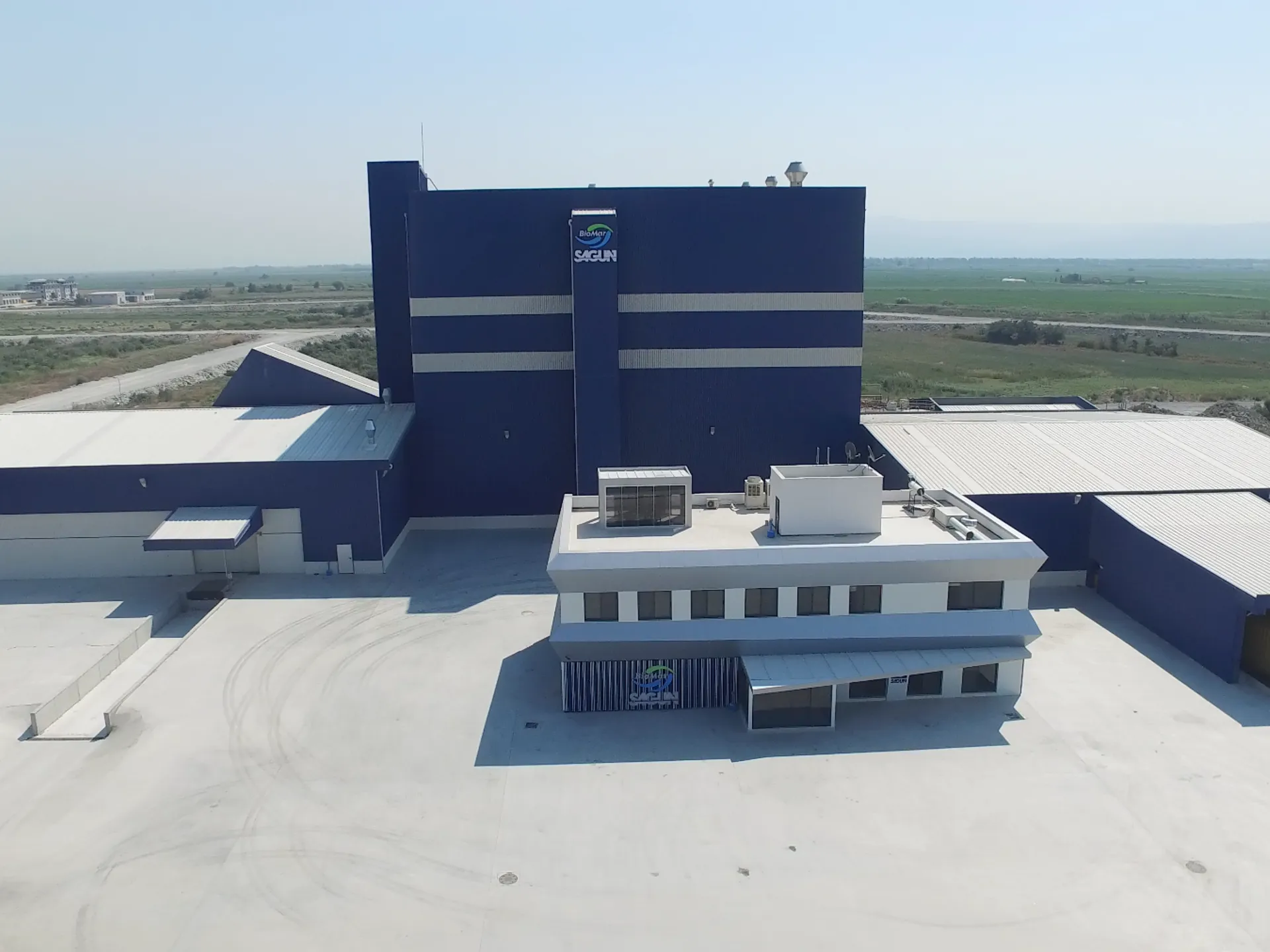
BioMar Sagun has achieved ASC Feed Certification, strengthening BioMar's ability to supply ASC-conforming feed solutions across the country and other…
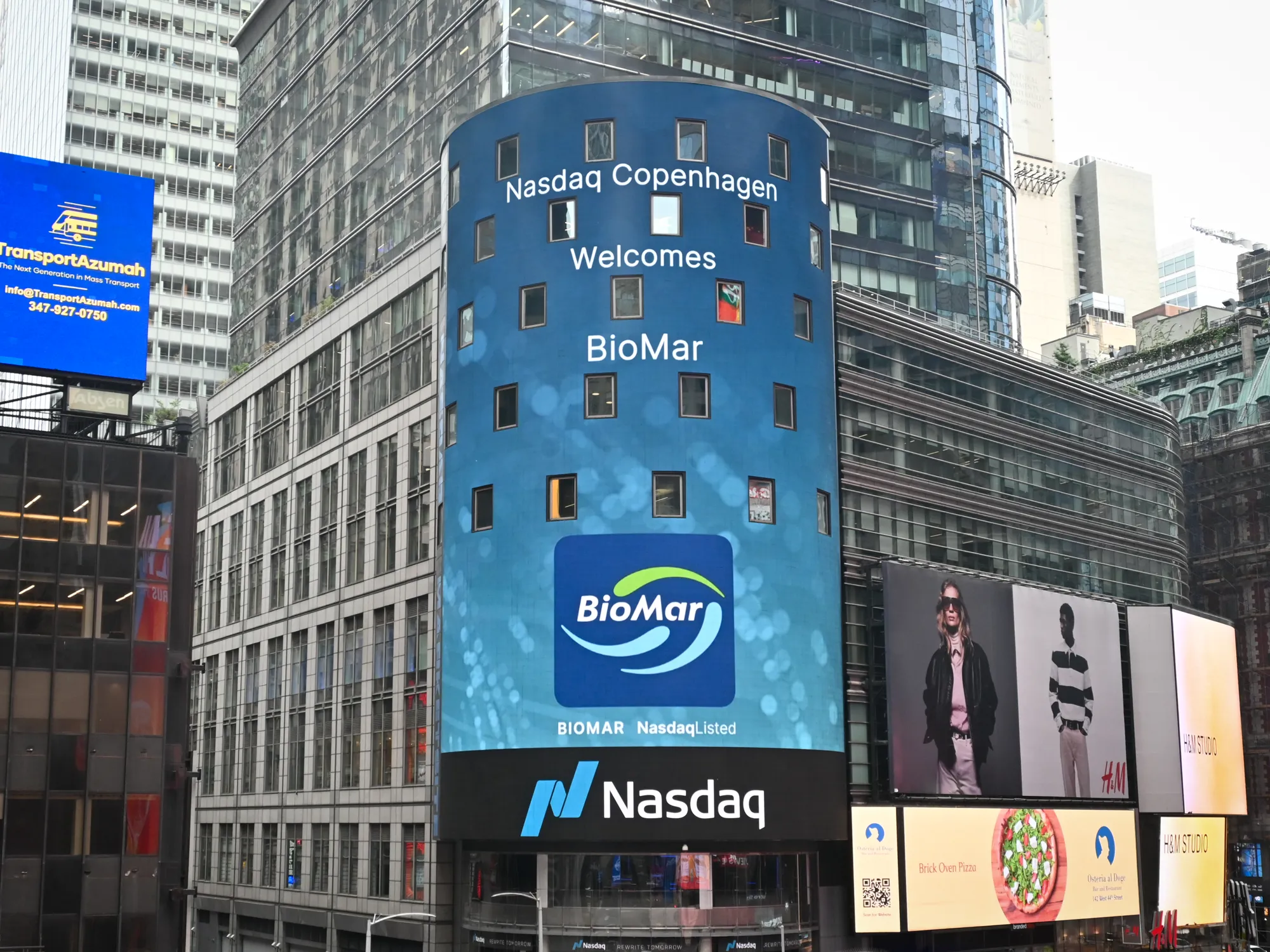
Last week, BioMar officially began trading on Nasdaq Copenhagen, marking a significant milestone in the company's history and welcoming more than…
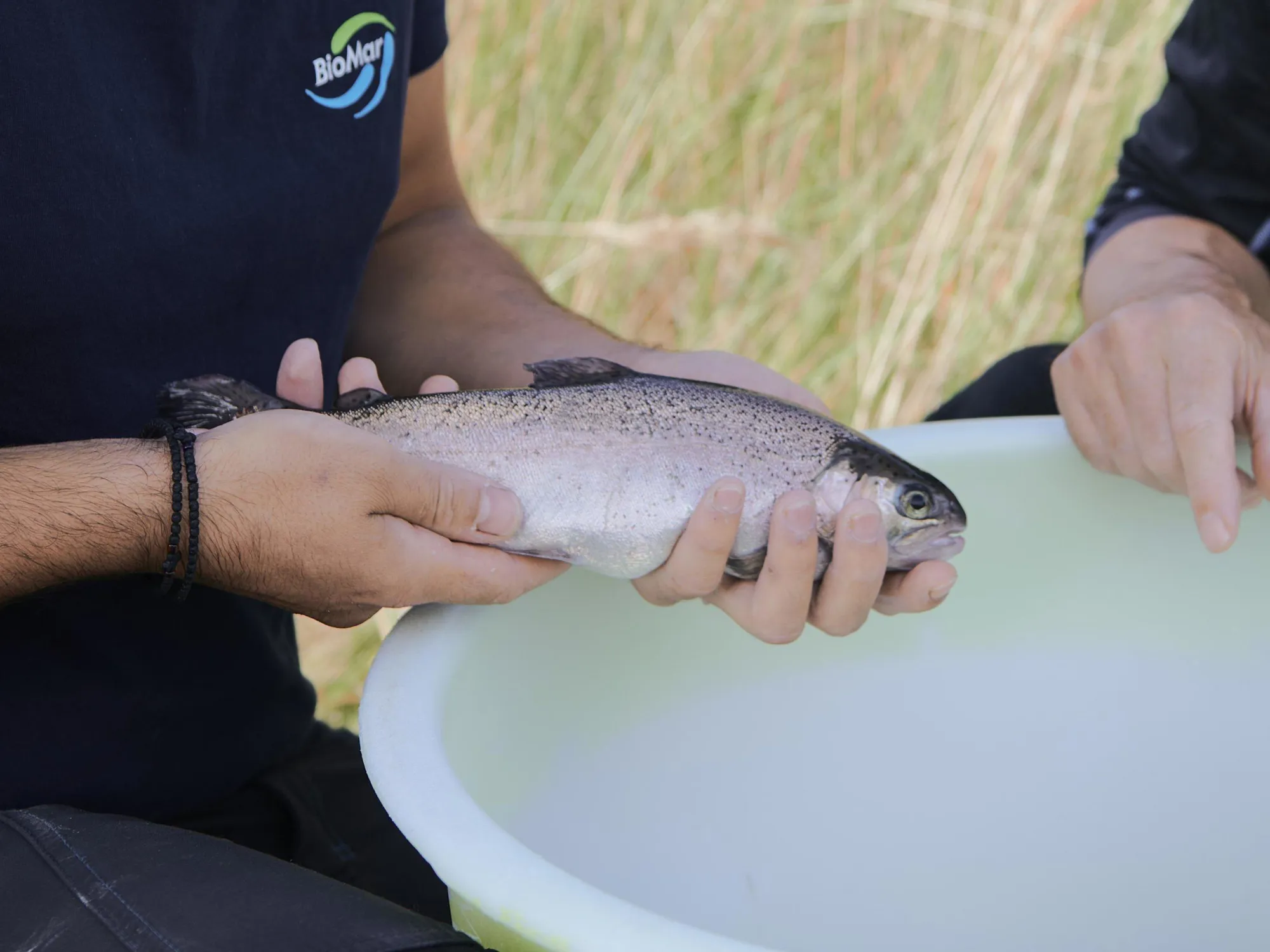
This study, led by Anne Kristine Hansen, examines how dietary vitamin D level and form affect growth, welfare, and product quality across different…
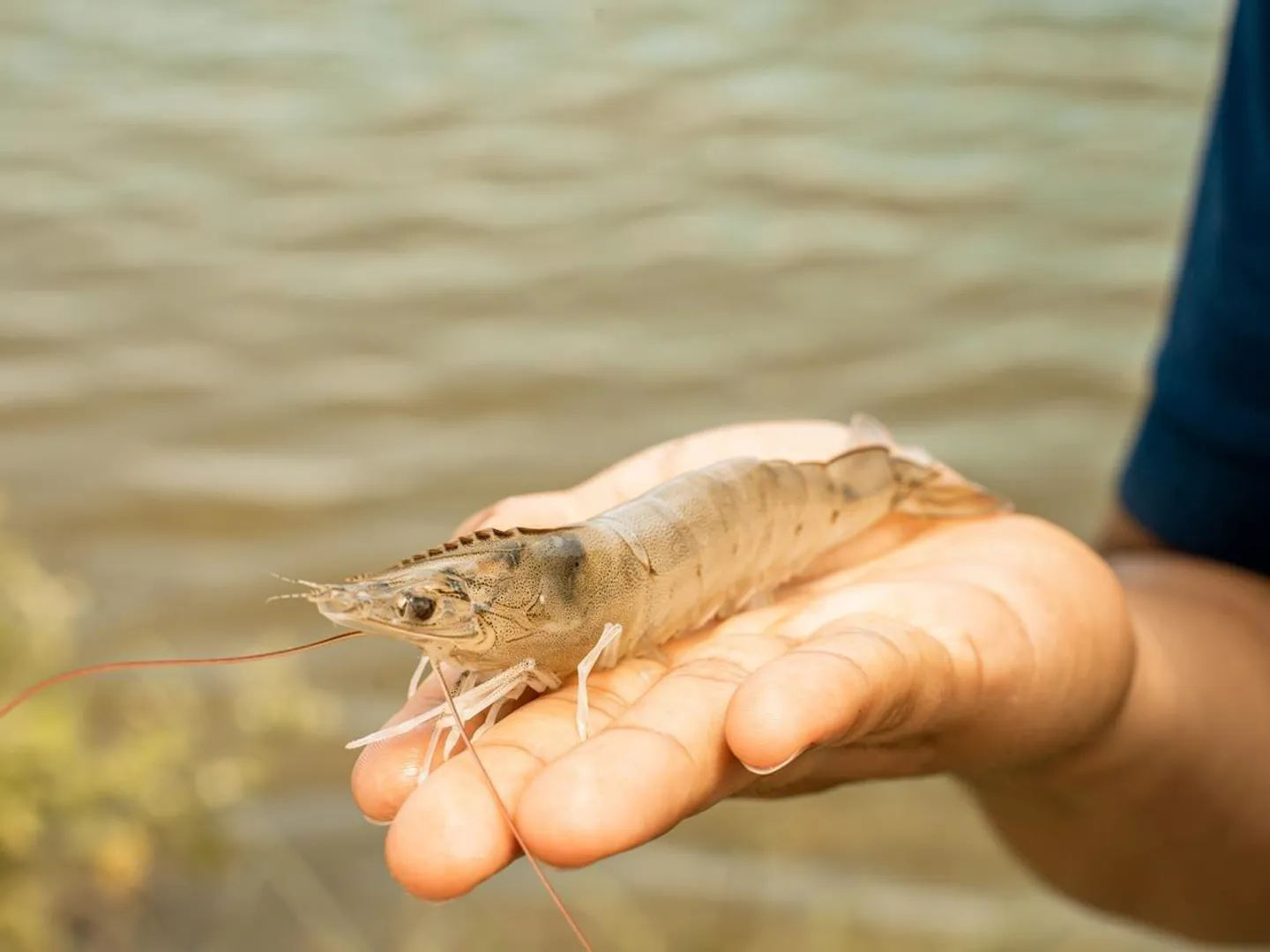
This study, led by Jeleel Agboola and Keke Zheng, investigates how different proportions of digestible protein, lipid, and starch at a constant…

This study, led by Keke Zheng and Anne Kristine Hansen, explores how targeted adjustments in dietary protein, lipid, and omega-3 fatty acids affect…

Feed volumes in Q1 increased by 7% year on year to a new record-high level for the first quarter, while EBITDA increased by 3% in line with…

BioMar is expanding its research and development activities at its Aquaculture Technology Centre (ATC) in Hirtshals, Denmark, to support the…