- R&D
Dietary Vitamin D in Salmonids: Effects on Growth, Welfare and Product Quality
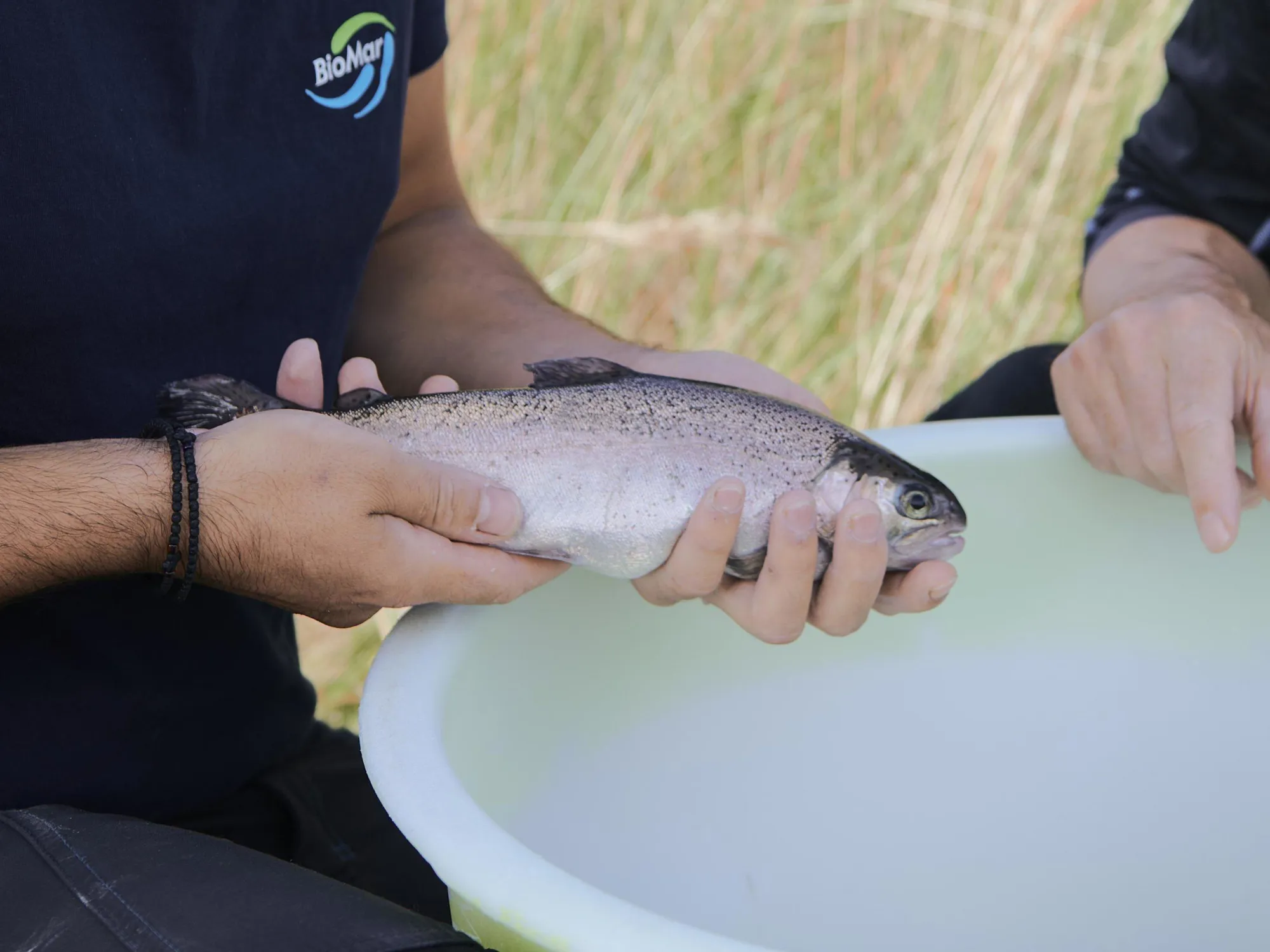
This study, led by Anne Kristine Hansen, examines how dietary vitamin D level and form affect growth, welfare, and product quality across different…

Nutrition it’s a powerful tool that shapes fish health, resilience, and performance. From managing stress to improving feed efficiency, the right nutritional strategy can make all the difference in aquaculture outcomes.
How much do you really know about the role of nutrition under farming conditions?
Take our quick quiz to test your knowledge, learn something new, and discover how nutrition can unlock better results. Ready to put your knowledge to the test?
Test your knowledge on fish health and nutrition
Nutrition doesn’t act in isolation - it supports critical biological systems that determine how fish respond to stress, resist disease, and convert feed into growth. From protective barriers to internal systems, every function is connected and every nutritional decision has an impact. Explore the topics below to see how targeted nutrition strengthens fish from the outside in.

Skin lesions, scale loss, and parasite attachment are more than surface injuries, they are early indicators of compromised fish health. Effective prevention depends on strengthening barrier function, supporting immune response, and maintaining conditions that allow fish to resist external challenges.

It is responsible for nutrient absorption, feed efficiency, and plays a central role in regulating inflammation. At the same time, it is highly sensitive to stress and environmental challenges. When gut integrity declines, the consequences are immediate and measurable. Feed conversion worsens. Growth slows. Immune response weakens. Susceptibility to disease increases. Maintaining gut integrity is therefore not optional it is fundamental to performance, resilience, and profitability.

They are continuously exposed to changes in oxygen levels, temperature shifts, water quality challenges, parasites, and other environmental stressors. This makes them highly sensitive and vulnerable to irritation or damage. When gill function is compromised, oxygen uptake becomes less efficient, stress levels increase, appetite can decline, growth slows, and the fish becomes more susceptible to disease. Supporting gill health is fundamental to maintaining resilience, efficient growth, and overall performance.

A strong and efficient heart supports steady growth, good stamina, and the ability to cope with everyday challenges. However, stress, poor water quality, and disease can place extra strain on the cardiovascular system. When heart function is compromised, oxygen delivery decreases, energy levels drop, recovery from stress slows, and overall performance suffers. Supporting heart health is therefore essential for maintaining endurance, resilience, and consistent production results.

It works constantly to recognize threats and respond before infections can spread. A strong immune system helps fish stay healthy, recover faster from stress, and maintain steady growth. However, immunity requires energy and can be weakened by poor nutrition, environmental stress, handling, or changes in water conditions, and then fish become more vulnerable to disease, recovery takes longer, and overall performance declines. Supporting immune function is therefore essential to maintaining resilient, productive fish in challenging production environments.
This study, led by Anne Kristine Hansen, examines how dietary vitamin D level and form affect growth, welfare, and product quality across different…
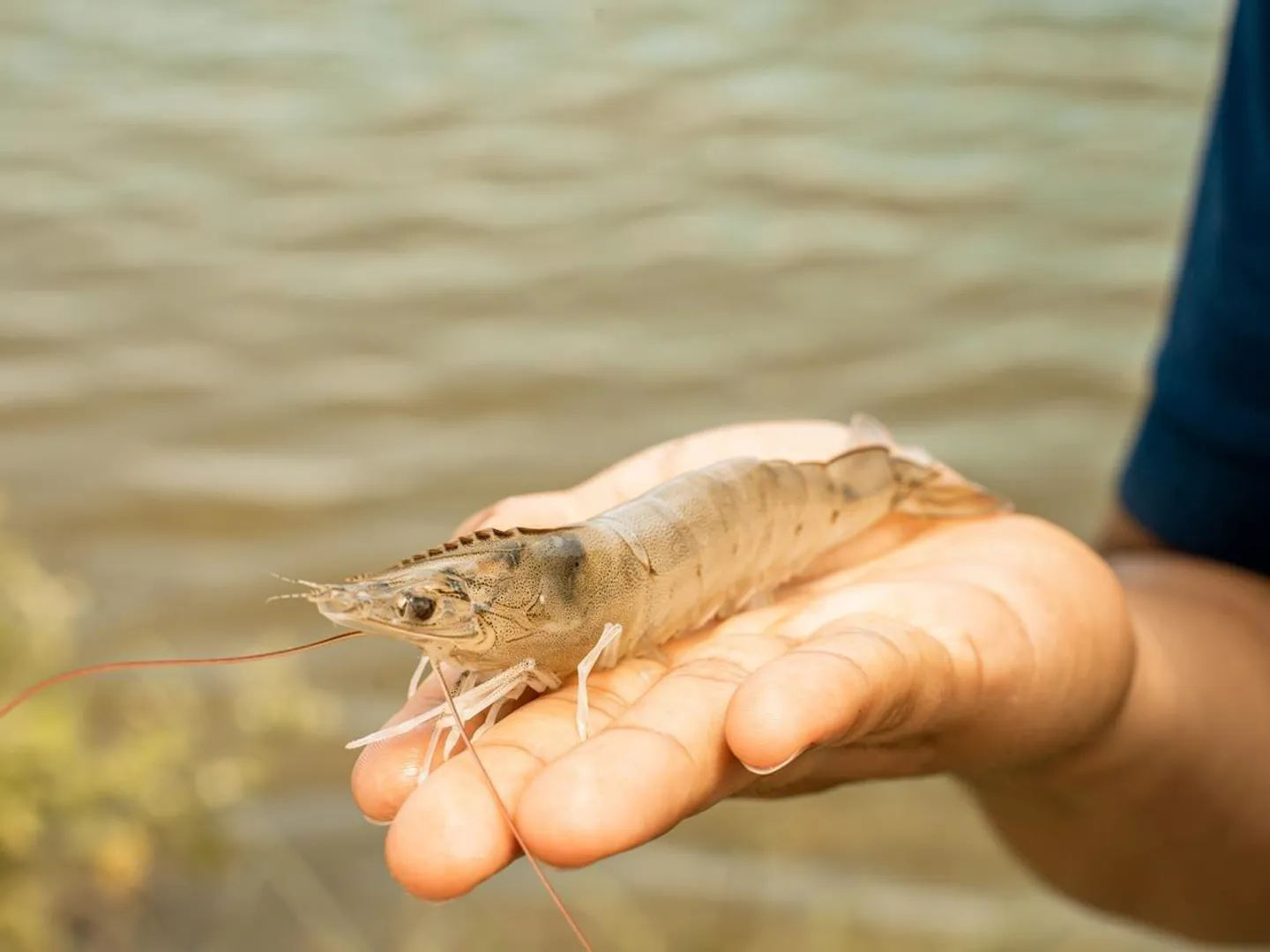
This study, led by Jeleel Agboola and Keke Zheng, investigates how different proportions of digestible protein, lipid, and starch at a constant…

This study, led by Keke Zheng and Anne Kristine Hansen, explores how targeted adjustments in dietary protein, lipid, and omega-3 fatty acids affect…

BioMar is expanding its research and development activities at its Aquaculture Technology Centre (ATC) in Hirtshals, Denmark, to support the…