
- Financials
BioMar builds new capacity in China
Following a successful growth journey in collaboration with the joint venture partner Tongwei, the production facility in Wuxi will during 2026 be…

Environmentally, socially and economically responsible behaviour is not only a corporate commitment for BioMar, but also a demand to our suppliers. Our Supplier Approval, Audit and Traceability (SAAT) team secures a resilient, stable and sustainable supply chain behind every BioMar feed delivered to customers all around the world.
BioMar’s Supplier Approval, Audit and Traceability (SAAT) team is responsible for facilitating overall approval and auditing of suppliers, as well as for ensuring traceability of raw materials used in producing BioMar feeds. The SAAT team ensures a consistent and a high quality approval process of both suppliers and raw materials, based on the BioMar Code of Conduct and on the BioMar Sourcing Policy.
All suppliers must undergo a supplier approval process consisting of, for example, production process evaluation, accreditation level determination and raw material risk assessment, including food safety evaluation. Only approved suppliers and raw materials may be contracted and purchased in BioMar, securing quality and mitigating risks. These processes are carried out in close collaboration and with much effort from local and global sourcing teams as well as quality, food safety and other assisting departments.
BioMar sourcing departments continuously update our supplier and raw material database. Existing suppliers and raw materials are evaluated annually and required documents are updated continuously throughout the year. On-site audit is an important measure for follow-up, and for securing that our suppliers comply with BioMar policies and standards. Each year, the audit teams perform approximately 15-20 global and several local audits with the participation of experienced BioMar personnel, each contributing with their own fields of expertise such as sourcing, food safety, quality, sustainability and logistics.
To support the SAAT work, BioMar is currently implementing sustainability measures to further improve its approval and auditing mechanisms and to extend the depth of traceability of each raw material that enters BioMar’s systems.
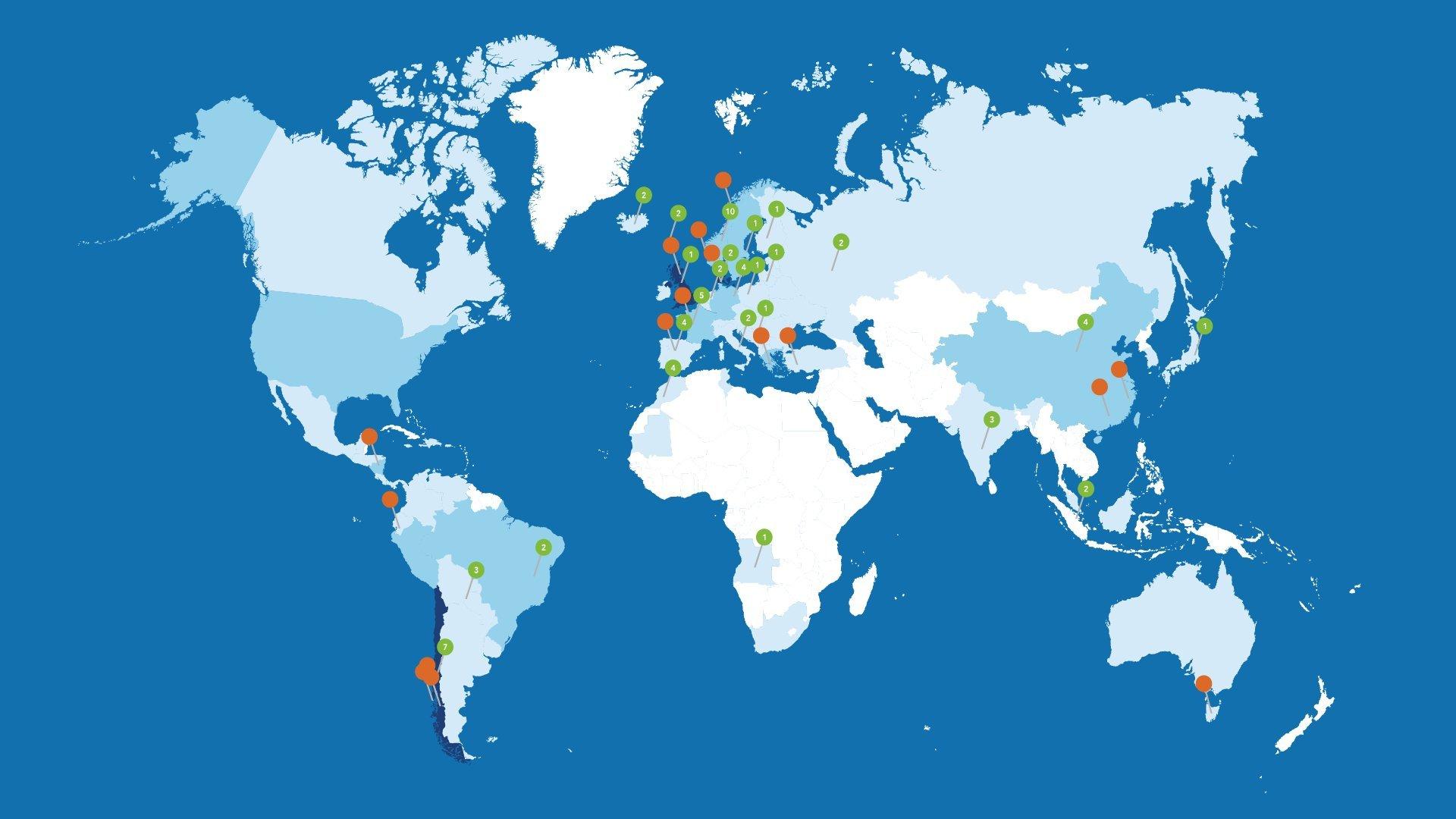
BioMar is a global player with operations all around the world. This demands for taking responsibility for constantly minimising the environmental footprint and securing positive influence on local ecosystems as well as societies. BioMar strives to live up to this responsibility and to encourage other stakeholders in the supply chain to do the same to secure a sustainable future.
Following a successful growth journey in collaboration with the joint venture partner Tongwei, the production facility in Wuxi will during 2026 be…

Bacterial infections caused by Photobacterium damselae subsp. piscicida (PDP) continue to…

BioMar announces that it has acquired the remaining 30% shares in BioMar Ecuador. At the same time, BioMar Ecuador expects to expand the production…

At BioMar we understand that the journey to exceptional seafood begins long before it reaches the table, it starts with the feed that nourishes fish…
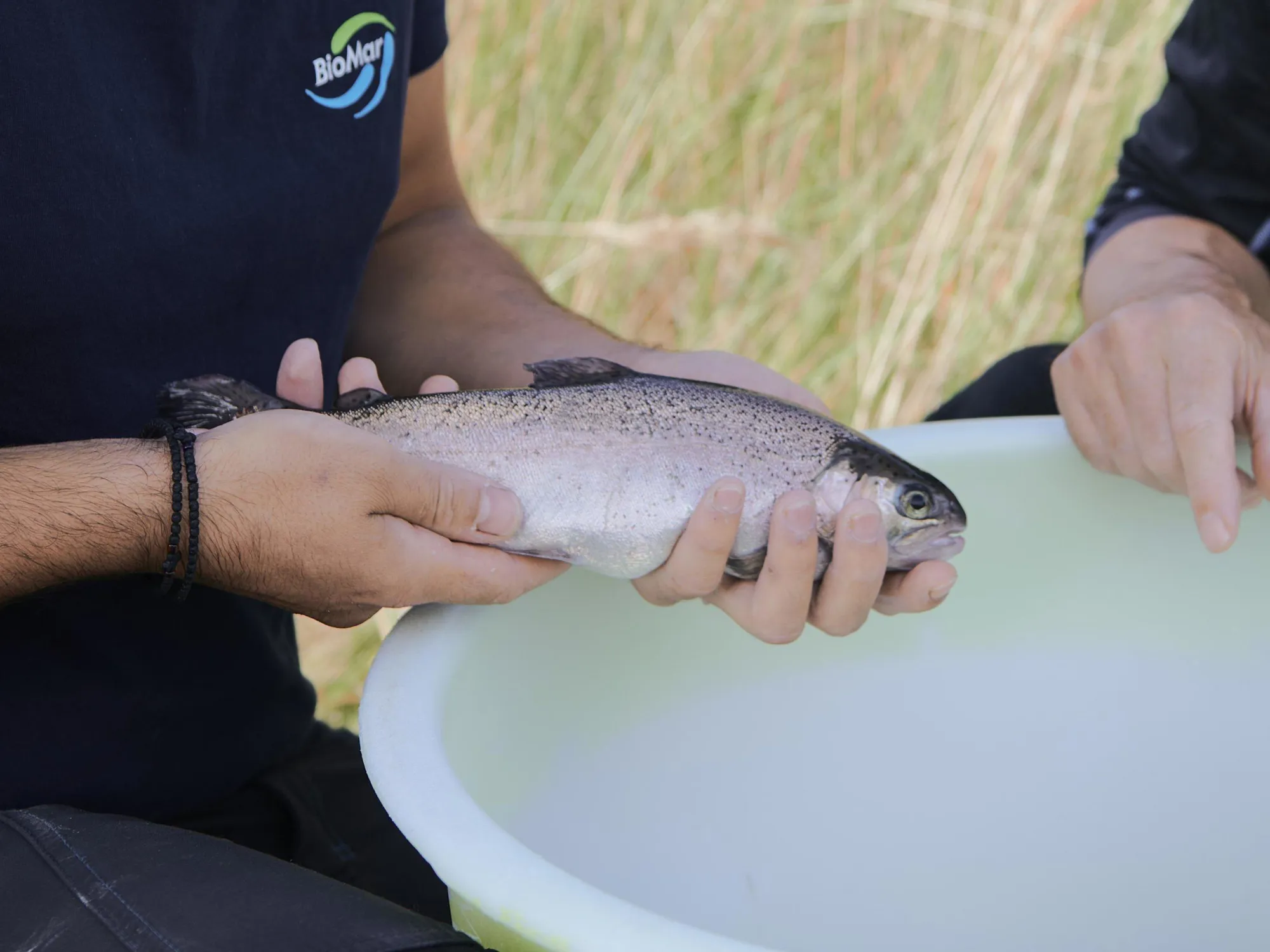
Efficient nutrient transfer from feed to fillet remains a key goal in sustainable aquaculture, particularly for micronutrients like vitamin D3 that…

BioMar has obtained ASC Feed Certification for its production facility in Nersac, France. As a key site producing feed for all life stages, including…

Mechanical delousing and other handling procedures are known to trigger acute stress in Atlantic salmon (Salmo salar), leading to reduced appetite,…

Fish protein hydrolysates (FPH) are known to improve nutrient availability and immune function in early-stage fish. Their high content and mix of…

Cefetra, a leader in agricultural supply chains, and BioMar, a global producer of aquaculture feed, have formed a new partnership to reduce emissions…

BioMar’s SmartCare programme is a range of globally proven functional solutions for aquaculture species that helps fish farmers tackle daily…

On the opening day of the Global Shrimp Forum, BioMar, Innovafeed, and Auchan are proud to announce a significant industry commitment: the large-scale…

In today’s aquaculture, increasingly focused on efficiency, resilience, and the responsible use of resources, land animal by-products, known as LAPs,…